Sustainable Interior Design: Tips for Homeowners and Renters
- Ria Ashcroft Hart
- Jun 11
- 4 min read

In a world increasingly aware of environmental issues, sustainable interior design has emerged as a vital consideration for homeowners and renters alike. The choices we make in our living spaces can significantly impact the planet, and adopting sustainable practices can lead to healthier homes and communities. Whether you own your home or rent, there are numerous ways to incorporate eco-friendly design principles into your space. This guide will provide practical tips and insights to help you create a sustainable interior that reflects your values and enhances your living environment.
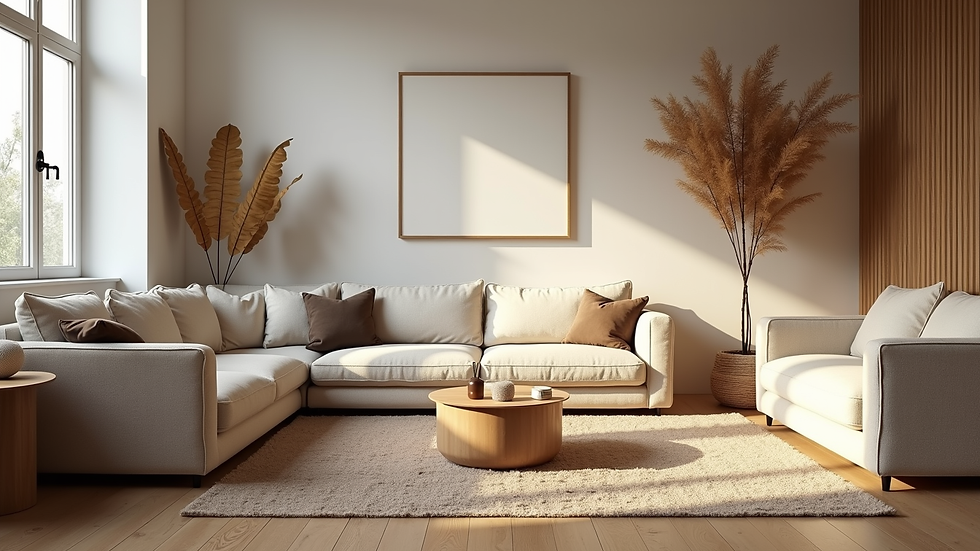
Understanding Sustainable Interior Design
Sustainable interior design focuses on creating spaces that are not only aesthetically pleasing but also environmentally responsible. This approach considers the entire lifecycle of materials, from sourcing and production to disposal. Here are some key principles of sustainable interior design:
Resource Efficiency: Use materials that require fewer resources to produce and have a lower environmental impact.
Health and Well-being: Choose products that promote a healthy indoor environment, free from harmful chemicals and pollutants.
Longevity: Invest in durable materials and furnishings that will last longer, reducing the need for replacements.
Recycling and Upcycling: Incorporate recycled materials and consider upcycling existing items to minimize waste.
By understanding these principles, you can make informed choices that benefit both your home and the planet.
Tips for Homeowners
Choose Sustainable Materials
When renovating or decorating your home, opt for sustainable materials. Here are some options to consider:
Bamboo: A fast-growing grass that is strong and versatile, bamboo is an excellent choice for flooring, furniture, and decor.
Reclaimed Wood: Using reclaimed wood not only reduces waste but also adds character to your space. Look for furniture or flooring made from salvaged timber.
Natural Fabrics: Choose organic cotton, linen, or hemp for upholstery and textiles. These materials are biodegradable and free from harmful chemicals.
Energy Efficiency
Improving energy efficiency is a crucial aspect of sustainable design. Here are some strategies:
LED Lighting: Replace traditional bulbs with energy-efficient LED lights. They consume less energy and last significantly longer.
Smart Thermostats: Install a smart thermostat to optimize heating and cooling, reducing energy consumption.
Insulation: Ensure your home is well-insulated to minimize energy loss. This can include upgrading windows, doors, and walls.
Water Conservation
Water conservation is another essential element of sustainable living. Consider these tips:
Low-Flow Fixtures: Install low-flow faucets, showerheads, and toilets to reduce water usage without sacrificing performance.
Rainwater Harvesting: If possible, set up a rainwater collection system for irrigation and other non-potable uses.
Native Landscaping: Choose native plants for your garden that require less water and maintenance.
Tips for Renters
Make Small Changes
As a renter, you may feel limited in your ability to make significant changes. However, there are still many ways to create a sustainable space:
Use Removable Wallpaper: Transform your walls with removable wallpaper made from eco-friendly materials. This allows you to personalize your space without damaging the walls.
Eco-Friendly Decor: Incorporate sustainable decor items, such as recycled glass vases or organic cotton throw pillows, to enhance your space.
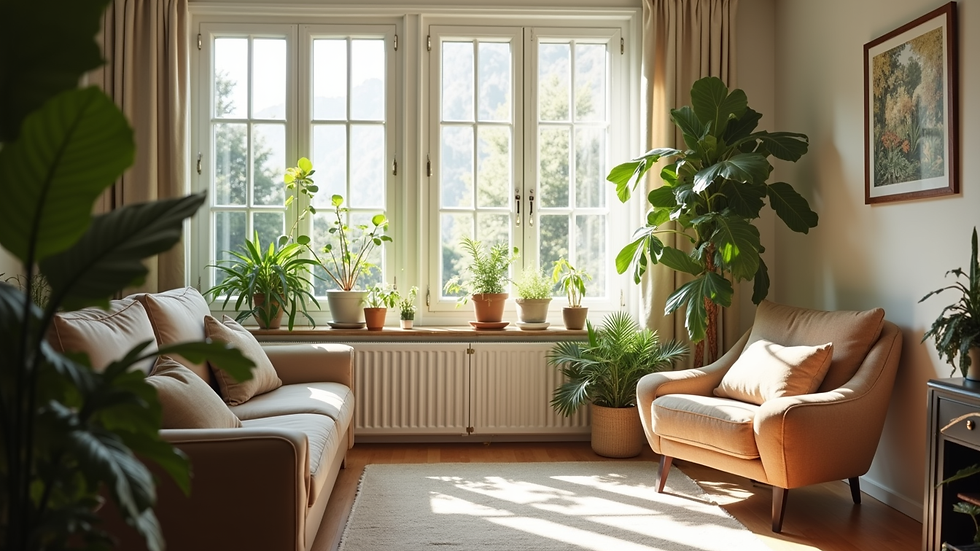
Indoor Plants: Add greenery with indoor plants that improve air quality and bring life to your home. Look for low-maintenance options like snake plants or pothos.
Furniture Choices
When selecting furniture, consider the following:
Second-Hand Finds: Shop at thrift stores or online marketplaces for second-hand furniture. This not only saves money but also reduces waste.
Sustainable Brands: Research brands that prioritize sustainability in their manufacturing processes. Look for certifications like Forest Stewardship Council (FSC) for wood products.
Multi-Functional Pieces: Choose furniture that serves multiple purposes, such as a sofa bed or an ottoman with storage, to maximize space and reduce clutter.
Energy and Water Efficiency
Even as a renter, you can take steps to improve energy and water efficiency:
Energy-Efficient Appliances: If you have the option, choose energy-efficient appliances when moving in. Look for the ENERGY STAR label for assurance.
Unplug Devices: Unplug electronics when not in use to prevent phantom energy drain. Use power strips for easy access.
Shorter Showers: Be mindful of water usage by taking shorter showers and turning off the tap while brushing your teeth.
Creating a Sustainable Mindset
Sustainable interior design is not just about the materials and products you choose; it’s also about adopting a mindset that values sustainability. Here are some ways to cultivate this mindset:
Educate Yourself: Stay informed about sustainable practices and trends in interior design. Read books, follow blogs, and attend workshops to expand your knowledge.
Support Local: Whenever possible, support local artisans and businesses that prioritize sustainability. This helps reduce transportation emissions and boosts the local economy.
Share Your Journey: Engage with friends and family about your sustainable choices. Sharing your experiences can inspire others to consider eco-friendly practices in their own homes.
Conclusion
Sustainable interior design is an achievable goal for both homeowners and renters. By making conscious choices about materials, energy efficiency, and water conservation, you can create a living space that reflects your values while benefiting the environment. Remember, every small change contributes to a larger impact. Start today by implementing one or two of the tips outlined in this guide, and watch as your home transforms into a more sustainable haven.
As you embark on your sustainable design journey, consider how your choices can inspire others. Together, we can create a more sustainable future, one room at a time.

Comments